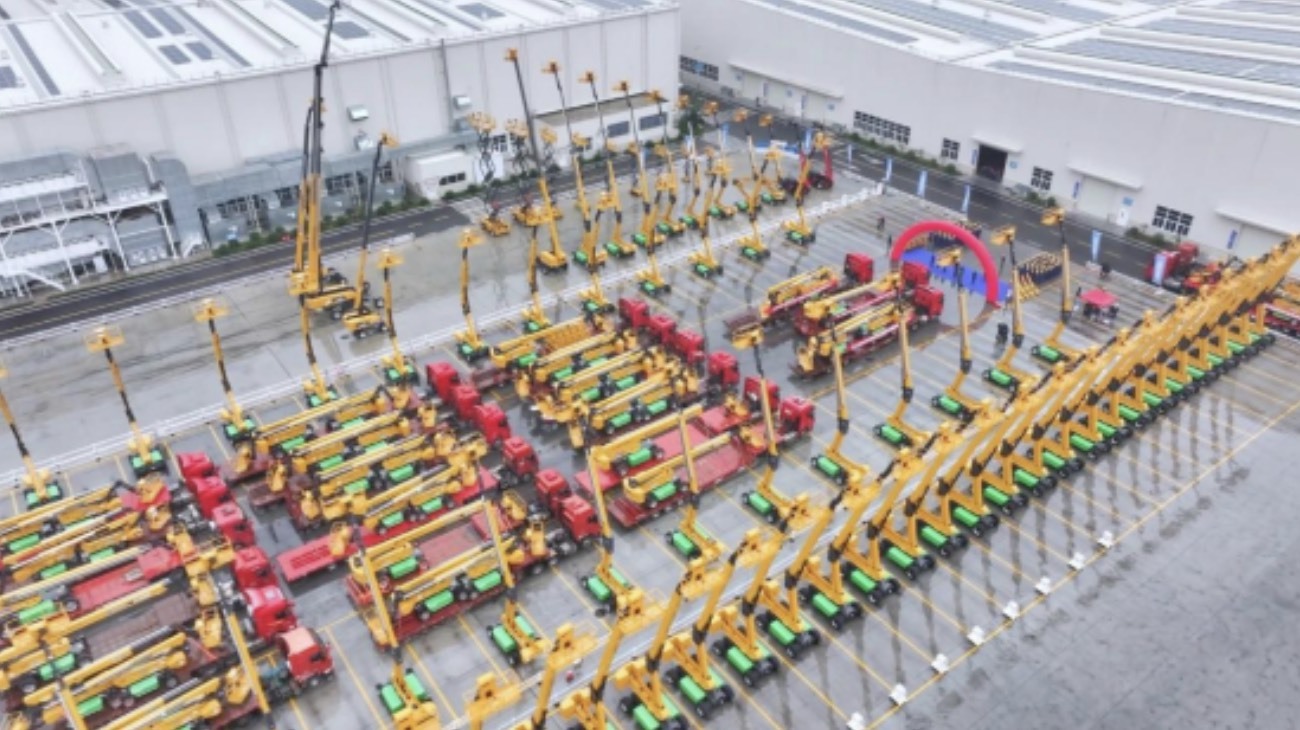
Aerial work machinery was once a dazzling rising star in the construction machinery sector, with astonishing annual growth rates. But since sales of aerial work platforms (AWPs) began to decline in the second half of 2024, the downward trend has yet to improve.
According to statistics, in October 2025 alone, 9,120 units of various types of lifting work platforms were sold, a year-on-year decrease of 38.8%; from January to October 2025, a total of 141,021 lifting work platforms were sold, a year-on-year decrease of 30.6%.
In addition to the decline in sales, AWP rental prices are also falling. In October 2025, the rental price index for lifting work platforms fell 12.4% year on year, with models of 6m or less seeing the smallest decline at 6.2%, and models of 36–39m seeing the largest decline at 16.3%.
The current situation of "falling volumes and prices" in the AWP industry has sharply increased the survival pressure on industry players, and the question of "when the AWP market can emerge from the winter" has become the focus of everyone's attention.
Main reasons for the decline
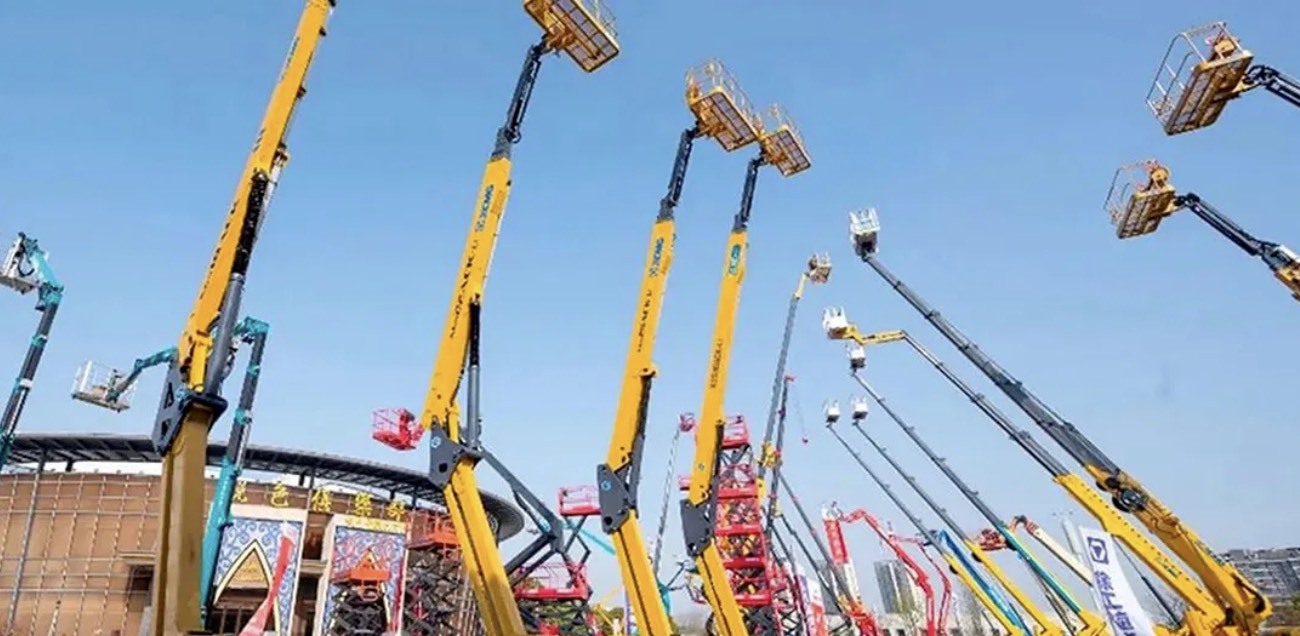
As the saying goes, every effect has a cause. To know when the AWP market can emerge from the winter, we must first understand why the AWP market entered the winter.
1 Declining domestic market demand and worsening supply-demand imbalance
At present, AWPs are mainly used in construction, maintenance of large equipment, indoor and outdoor operations, warehousing and logistics, and other fields. Since the construction machinery industry entered a downturn in the second half of 2021, the industry as a whole has been in a downward trend, and total demand in the AWP market has declined.
In addition, although AWPs are not as closely tied to real estate, the rapid downturn in real estate in recent years has still affected AWP sales, though the sales fluctuations caused by real estate are smaller than the impact of real estate on equipment such as excavators and tower cranes.
So why were AWP sales still able to maintain growth during the industry downturn in previous years? Because at that time China's AWP stock was too small and far from reaching total market demand. This caused a timing mismatch between the AWP cycle and the construction machinery industry cycle.
According to statistics, by the end of 2024, the domestic AWP stock was 669,000 units, whereas at the end of 2020, China's AWP stock was only 240,000 units.
Against the backdrop of rapidly contracting demand, the continued rise in AWP stock has made the market's oversupply increasingly severe. The most direct manifestation of oversupply is the decline in returns in the rental market.
Currently, AWP rental utilization rates continue to decline, and rental prices keep hitting new lows. This has reduced rental companies' revenues, and some rental companies, in order to compete for business, have taken the lead in starting price wars, plunging the industry into a vicious cycle.
2 Overseas markets no longer growing, and the export path faces escalating challenges
According to statistics, from January to October 2025, 85,997 lifting work platforms were exported, a year-on-year decrease of 15.6%. In past years, export markets were an important engine driving China's AWP growth, but entering 2025, overseas markets are no longer growing, indicating that the overseas market environment is changing.
From the perspective of the international market, the rapid rise of Chinese AWP companies globally has largely benefited from the cost advantages brought by China's well-developed supply chain. However, against the backdrop of slowing growth in major global economies, adjustments to trade policies in some regions, and fierce international market competition, this advantage is facing severe challenges, narrowing the incremental growth in overseas markets that was originally an important growth point for the industry.
At the same time, the export path faces escalating challenges. In recent years, there have been many unstable factors in international trade, with considerable uncertainty in geopolitics, trade barriers, industry policies, and shipping conditions. In particular, both the United States and the European Union have launched anti-dumping and countervailing investigations into aerial work platforms imported from China. These developments have all had a certain adverse impact on AWP exports.
Rental companies each face their own difficulties

In this fierce market competition, both leading rental companies and small and medium-sized rental companies are facing considerable pressure.
Small and medium-sized rental companies, due to weak financial strength and limited financing channels, find it difficult to compete with large rental companies. They not only have to endure reduced revenues caused by falling rents, but also face high equipment procurement, maintenance, and operating costs, with the risk of capital chain rupture constantly rising.
Leading rental companies are not faring well either. According to Horizon Construction Development's 2025 interim report, in the first half of 2025 the company saw declines in both revenue and profit; to cope with challenges such as shrinking domestic markets and insufficient overseas offset, Horizon Construction Development optimized and adjusted its asset structure in the first half of 2025 through asset renovation, managed exit, disposal of inefficient assets, and addition of efficient assets. As of June 30, 2025, the number of equipment operated and managed by Horizon Construction Development had contracted compared with the same period last year.
When can the AWP market emerge from the winter?
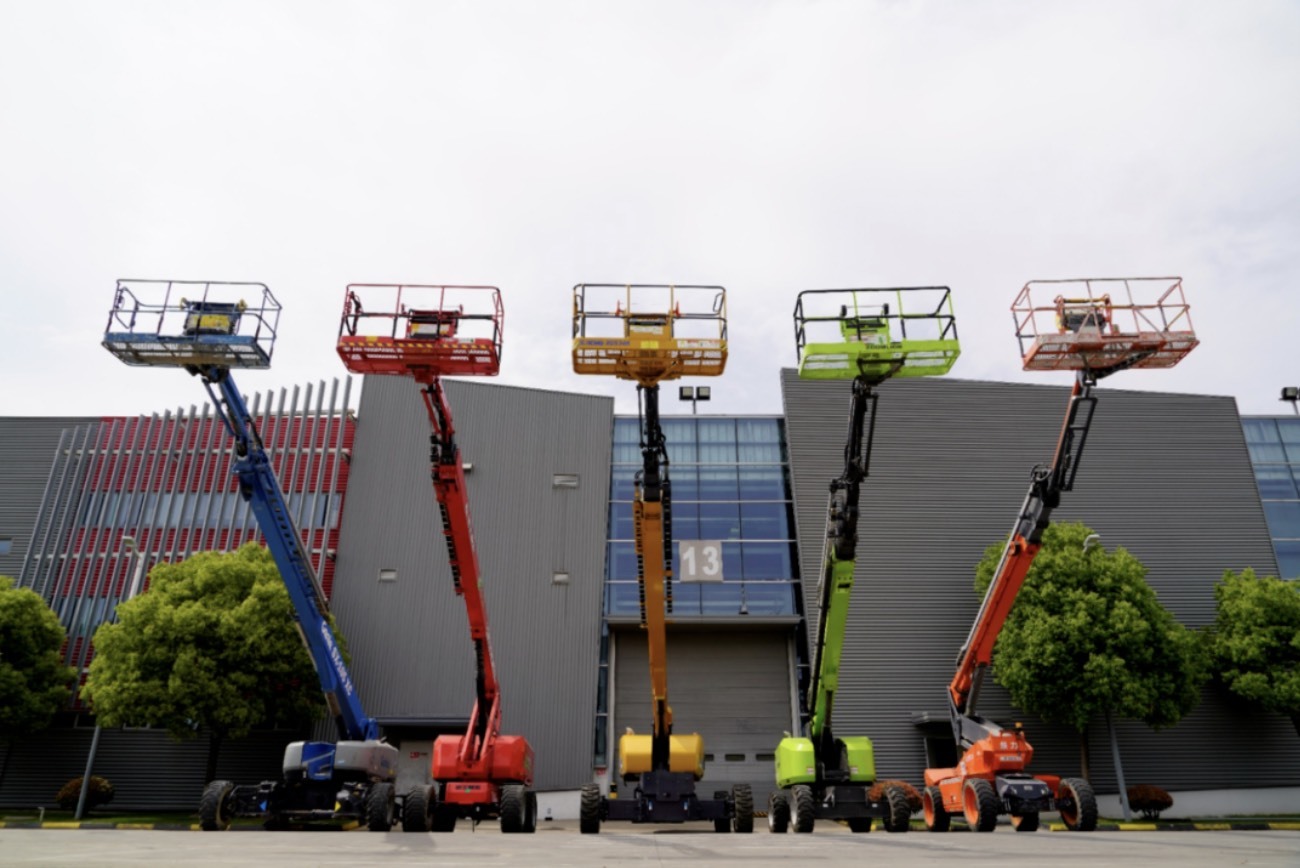
To answer the question of when the AWP market can emerge from the winter, we can look to the excavator, a representative piece of construction machinery, and derive the answer from the excavator's cyclical changes.
In the second half of 2021, excavator sales began to decline, and then declined for three consecutive years, only ending the downward trend in 2024. By 2025, excavator sales began to recover significantly; from January to October 2025, a total of 192,135 excavators were sold, a year-on-year increase of 17.00%. It is expected that full-year excavator sales in 2025 will exceed 220,000 units.
If we apply the time it took for excavators to emerge from the downturn to AWPs, then the time for AWPs to emerge from the winter becomes very clear. In the second half of 2024, AWP sales began to decline, will decline for three consecutive years, and will end the downward trend in 2027. Then, by 2028, AWP sales will begin to recover significantly.
Of course, simply applying the time cycle is not enough to fully answer this question. Just as excavator sales achieved positive growth under the support of policies, the push of equipment renewal, and the pull of overseas markets, AWPs in the coming years must also first achieve policy support, equipment renewal momentum, and overseas market pull before sales can turn from decline to growth.
1 Policy support and equipment renewal momentum
The increased scale of ultra-long-term special government bonds and special-purpose bonds and the higher rate of funds in place will directly promote the start of infrastructure projects. At the same time, the rapid development of emerging fields such as new energy, warehousing and logistics, and municipal construction will gradually release market demand for AWPs. In particular, in the new energy sector, the large-scale construction of projects such as photovoltaics and wind power will greatly increase demand for aerial work platforms.
In terms of equipment renewal, based on an eight-year equipment service life, counting from when AWPs entered substantial growth in 2020, 2027 will be a key node for the concentrated replacement of existing AWP equipment, and equipment renewal will drive a rebound in AWP sales. In addition, continued policy efforts to promote large-scale equipment renewal and subsidies to stimulate downstream users to replace old aerial work machinery will lay the foundation for AWP sales growth in 2027.
2 Overseas market pull
Overseas markets are an important growth point for the development of China's AWP industry. In the future, on the one hand, we should deeply cultivate mature markets such as Europe and the United States, seize opportunities for equipment renewal, improve product quality and service levels, and further expand market share; on the other hand, we should also actively explore emerging markets such as Southeast Asia, Africa, and Latin America, where demand for infrastructure construction is strong and market potential is enormous.
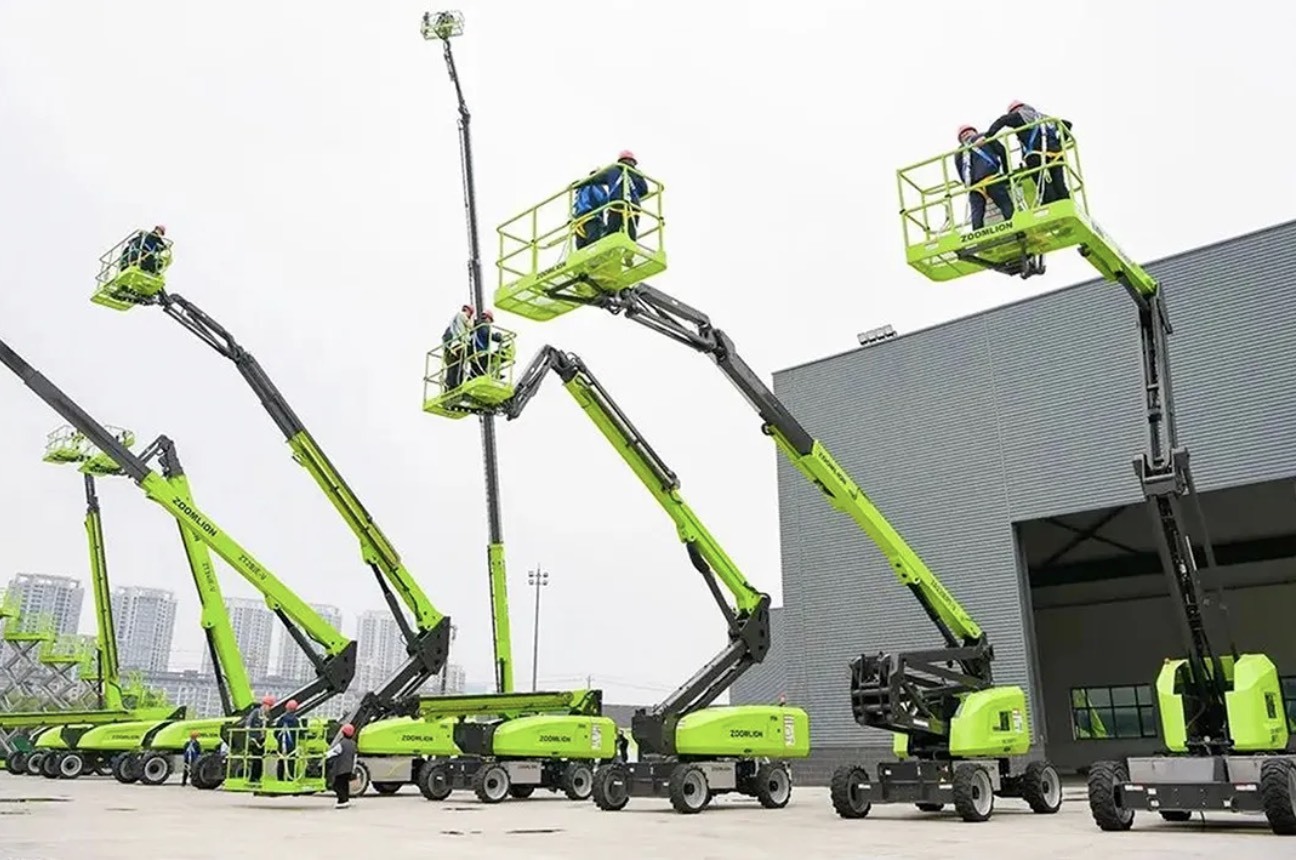
At present, the chill in the AWP market remains strong, but we should not lose heart. This is merely an inevitable stage of industry development. After getting through this downturn, the AWP market will welcome a new wave of growth.




评论 (0)